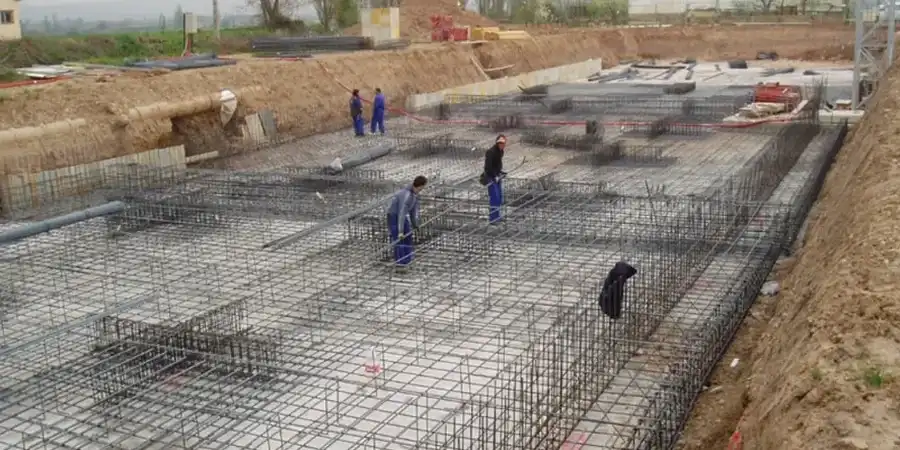
When we review a new site in Long Beach, the conversation almost always starts with the upper five to ten feet of soil. The mix of marine terrace deposits, old San Gabriel River alluvium, and scattered artificial fill across the city creates a profile that can vary sharply even within a single lot. Shallow foundation design here is not a one-size-fits-all exercise; it requires a careful read of the stratigraphy and groundwater conditions that shift between the Los Cerritos wetlands and the slopes near Signal Hill. Since much of Long Beach sits on Holocene sediments, our team typically integrates the shallow foundation design with a broader look at settlement potential, bearing capacity, and the liquefiable layers mapped by the California Geological Survey. This approach lets us size footings and mat foundations that work with the site rather than fighting its natural behavior.
In Long Beach, a shallow foundation is only as reliable as the liquefaction assessment beneath it—skipping that step is the most expensive shortcut a project can take.
Local geotechnical context
ASCE 7 and the CBC are explicit about what happens when you place a shallow foundation on liquefiable ground: the loss of bearing can be sudden and asymmetric, especially where the Newport-Inglewood and Palos Verdes fault zones intersect the city’s subsurface. Long Beach also has a history of groundwater extraction that left pockets of compressible silt, and sea-level rise projections suggest a rising water table in the coastal belt over the next thirty years. When we see a project that ignores a site-specific liquefaction study, the risk is not just excessive settlement; it is a foundation that tilts, cracks slab-on-grade connections, and triggers a cascade of structural damage that insurance rarely covers in full. A defensible shallow foundation design in this city therefore couples bearing capacity checks with a liquefaction mitigation strategy—whether that means ground improvement, deeper bearing, or a switch to a mat foundation that can bridge local soft spots without requiring deep piles.
Common questions
What is the typical cost range for a shallow foundation design package in Long Beach?
For a standard commercial or residential project, the shallow foundation design and associated geotechnical report typically fall between US$2,030 and US$3,580, depending on the number of borings or CPT soundings required and whether liquefaction analysis is included. Each quote reflects the site-specific data we collect rather than a flat fee.
How does the high groundwater table near the coast affect shallow foundation design in Long Beach?
A shallow water table reduces effective stress, which directly lowers bearing capacity and can complicate excavation for footings. It also increases the risk of buoyancy on mat foundations and requires careful dewatering planning. We factor the seasonal high groundwater level into settlement calculations and often recommend a capillary break or waterproofing detail at the slab-on-grade interface.
Do I always need a liquefaction study for a shallow foundation in Long Beach?
Under the current CBC and the city's building department requirements, most projects within the mapped liquefaction hazard zones will trigger a site-specific study. The study determines the factor of safety against liquefaction and the expected settlement, which then dictates whether the shallow foundation needs to be deepened, stiffened, or replaced with a deep foundation system.
What is the minimum footing depth required by Long Beach building code?
The California Building Code requires a minimum embedment of 12 inches below the lowest adjacent finished grade for exterior footings, but in Long Beach we often go deeper—18 to 24 inches—to bypass the desiccated crust and reach more consistent moisture and density conditions, particularly in clay-rich soils that shrink and swell seasonally.